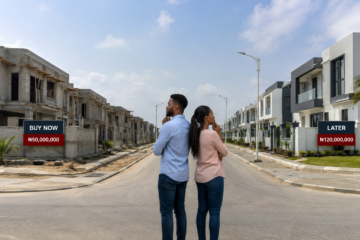
Buying property is one of the biggest financial decisions most people will ever make. Whether you’re purchasing land, an apartment, or a family home, it’s easy to focus on the advertised price and assume that’s the total amount you’ll need.
In reality, the purchase price is only one part of the cost.
Many first-time buyers are surprised when additional fees begin to appear during the transaction. Some of these costs are unavoidable, while others depend on the type of property, the location, and the agreement between the buyer and the seller.
Understanding these expenses before you begin your property search can help you avoid financial stress and complete your purchase with confidence.
1. Legal Fees
A qualified property lawyer plays an important role in protecting your investment. They review title documents, prepare or examine legal agreements, verify ownership, and help ensure the transaction follows the proper legal process.
While legal fees vary, they should always be included in your budget. Skipping legal representation to save money can become far more expensive if problems arise after the purchase.
2. Survey Fees
If you’re buying land, a survey plan is essential. It clearly defines the property’s boundaries and helps confirm that the land you’re paying for matches the land being transferred.
If the seller does not already have an acceptable survey plan, you may need to pay for one. Even when a survey exists, your lawyer may recommend verifying that it accurately reflects the property.
3. Documentation and Registration Costs
After purchasing property, several legal documents may need to be prepared, stamped, registered, or perfected depending on the transaction.
These costs can include the Deed of Assignment, registration fees, stamp duties, and other government charges. The exact amount varies, but they are part of completing a lawful property transfer.
4. Development Levies
Many residential estates charge development levies to support infrastructure within the community.
These funds are often used for roads, drainage systems, street lighting, security, landscaping, and other shared facilities.
Before making a purchase, ask whether development fees are included in the purchase price or paid separately.
5. Agency Fees
If you buy through a real estate agency, professional service fees may apply depending on the transaction.
A reputable agency provides valuable services such as property sourcing, negotiation, inspections, documentation support, and guidance throughout the buying process.
Always ask for a clear explanation of any agency fees before making payment.
6. Utility and Service Connection Costs
For completed homes, additional expenses may include connecting electricity, water, internet services, or estate utilities.
Some estates include these costs in the purchase price, while others require buyers to pay separately after taking possession.
Understanding these costs in advance helps you avoid unexpected expenses after moving in.
7. Moving and Finishing Costs
Buying the property is only the beginning.
You may also need to budget for painting, furniture, wardrobes, kitchen appliances, landscaping, security installations, window treatments, or minor finishing work before the property is fully ready for use.
These expenses are often overlooked but can significantly affect your total budget.
How to Budget More Effectively
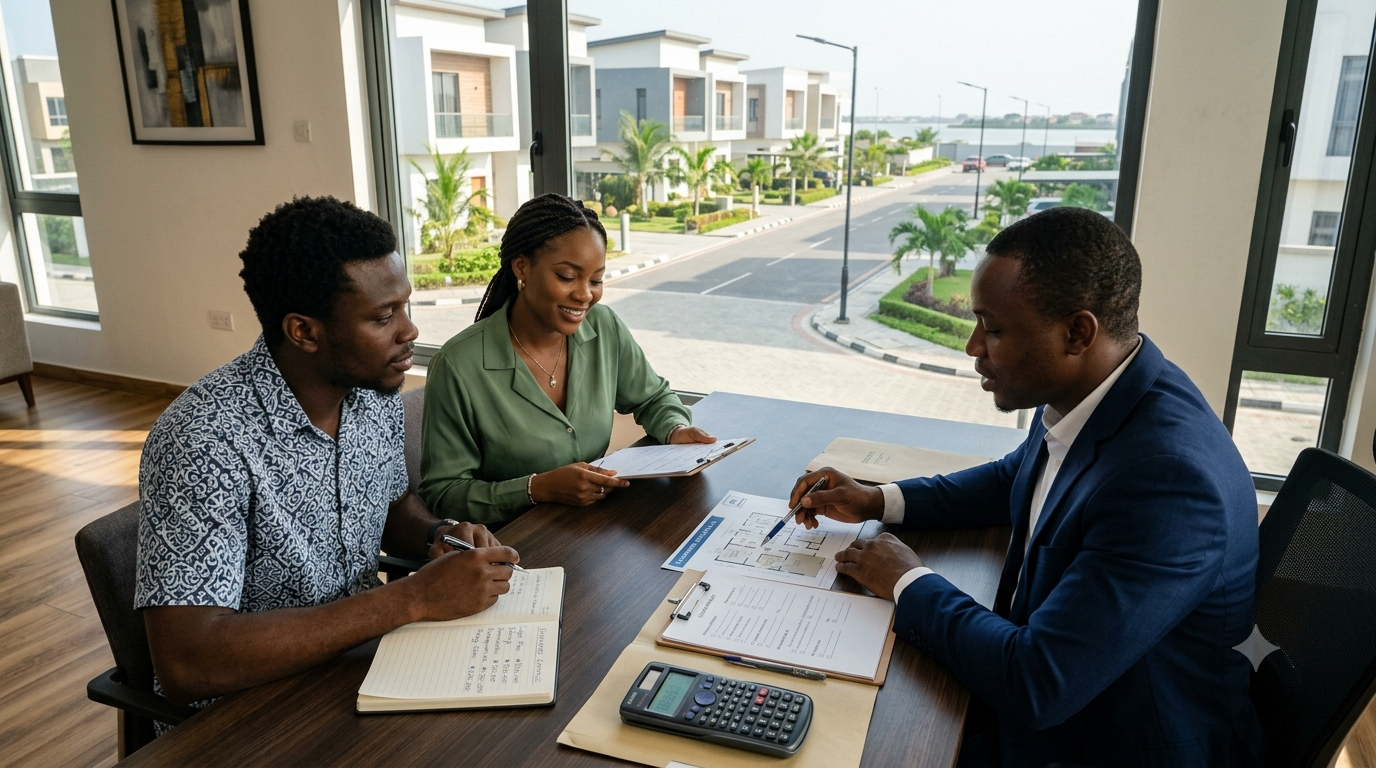
Before committing to any property, ask for a complete breakdown of every payment you will be expected to make from the beginning of the transaction until completion.
A transparent developer or real estate company should be able to explain the purchase price, documentation costs, payment schedule, development charges, and any other applicable fees.
Having this information upfront allows you to plan properly and avoid surprises later.
Final Thoughts
The advertised price of a property tells only part of the story. Legal fees, surveys, documentation, development levies, and other expenses all contribute to the true cost of ownership.
Knowing these costs before you buy puts you in a stronger position to negotiate, budget wisely, and make informed decisions.
Real estate remains one of the most reliable ways to build long-term wealth, but successful buyers understand the full financial picture before making their investment.
If you’re planning to buy property in Lagos or anywhere in Nigeria, taking time to understand these hidden costs can save you money, reduce stress, and help you complete your purchase with confidence.