For years, buying property in Nigeria was mostly about one thing: location.
If the land was in a good area with proper documentation, many buyers considered it a worthwhile investment. Today, that mindset is changing.
People are no longer asking only where a property is located. They’re also asking how it will perform over the next ten or twenty years. Will it be expensive to maintain? Can it provide reliable power? Is the environment planned properly? Will it remain attractive as newer developments emerge?
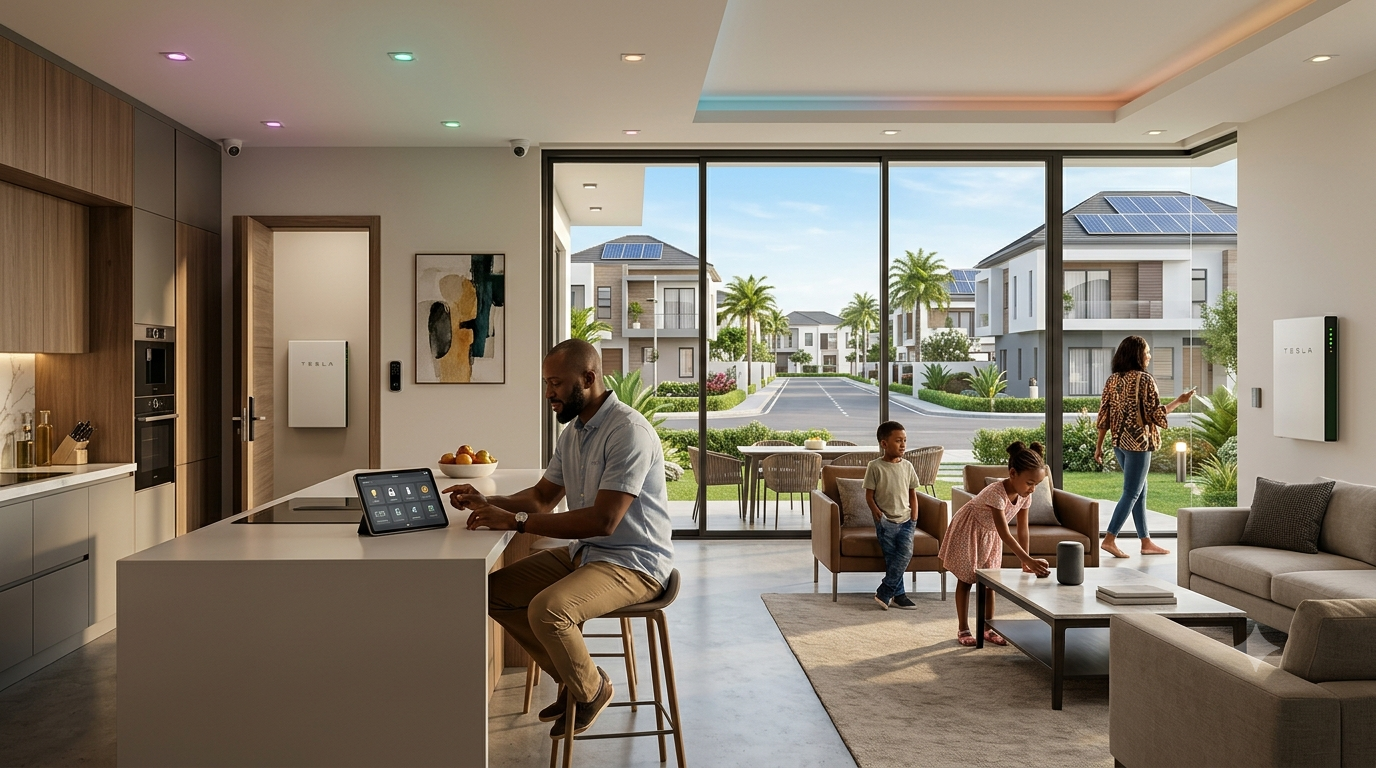
These questions are driving a noticeable shift in the real estate market. Across Lagos and other growing cities, developers are introducing estates designed around sustainability, renewable energy, and smarter infrastructure. These developments are often referred to as green estates.
This is more than another real estate buzzword. It reflects changing priorities among homeowners and investors who want properties that are efficient, resilient, and built for the future.
What Is a Green Estate?
A green estate is a residential community planned to reduce environmental impact while improving the quality of life for residents.
That does not necessarily mean every house has solar panels or that every building is powered entirely by renewable energy. Instead, it means the estate has been designed with long-term sustainability in mind.
Depending on the development, this may include features such as:
- Solar-powered common areas
- Energy-efficient infrastructure
- Electric vehicle charging points
- Landscaped green spaces
- Proper drainage systems
- Water management systems
- Walkable layouts
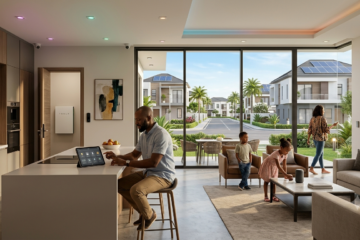
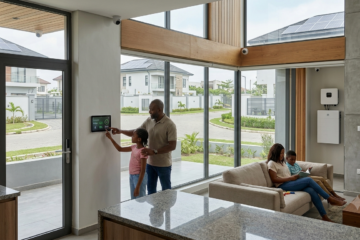
- Smart security systems
- Reliable waste management
The goal is simple. Create a community that is more comfortable to live in while reducing operating costs and making better use of resources.
Why Nigerians Are Paying More Attention
A few years ago, many buyers viewed sustainability as something that mattered mainly in Europe or North America.
Today, everyday realities have changed that perception.
Electricity remains inconsistent in many parts of Nigeria. Fuel prices have increased significantly. The cost of powering generators continues to rise, and many households are looking for practical ways to reduce monthly expenses.
As a result, homes and estates that incorporate renewable energy or energy-efficient infrastructure have become much more attractive.
A property that costs less to operate over time often becomes more valuable than one that simply looks impressive on the day it is purchased.
Solar Power Is Becoming a Major Selling Point
One of the biggest changes in Nigeria’s housing market is the growing adoption of solar energy.
Developers are increasingly integrating solar systems into new estates instead of treating them as optional upgrades.
Solar-powered street lights, backup power systems, and shared renewable energy solutions can reduce dependence on generators while helping residents manage rising electricity costs.
This is one reason many buyers now ask about power infrastructure before asking about interior finishes.
Reliable electricity has become a quality-of-life issue, not just a convenience.
Smart Infrastructure Goes Beyond Home Automation
When people hear the phrase “smart estate,” many immediately think about controlling lights or air conditioners with a mobile phone.
Smart infrastructure is much broader than that.
It includes technology that helps an entire community function more efficiently.
Examples include:
- Smart access control systems
- Digital visitor management
- Intelligent street lighting
- Integrated security monitoring
- Efficient utility management
- Infrastructure designed to support future technologies
These features may not always be visible during an inspection, but they contribute to a safer and more efficient living environment.
Why Green Spaces Matter
Developments with trees, landscaped parks, and open recreational areas offer benefits beyond appearance.
Research consistently shows that access to green spaces improves comfort, encourages outdoor activity, and enhances the overall appeal of residential communities.
From an investment perspective, attractive surroundings also make properties easier to sell or rent.
A well-planned environment often retains its appeal long after construction has been completed.
Electric Vehicles Are Part of the Conversation
Nigeria’s electric vehicle market is still developing, but forward-looking developers are already planning for it.
Some newer estates now include charging infrastructure or make provisions for future installation.
Although not every homeowner owns an electric vehicle today, infrastructure planned for future demand can increase the long-term relevance of a development.
Good real estate planning looks beyond current needs.
Sustainable Communities Can Protect Long-Term Value
Property appreciation depends on many factors, including location, infrastructure, demand, and economic conditions.
However, developments that solve real problems often remain attractive for longer.
An estate that provides dependable power solutions, quality infrastructure, green surroundings, and modern amenities may continue attracting buyers even as newer projects enter the market.
This is one reason sustainability is increasingly viewed as an investment consideration rather than simply an environmental one.
Not Every Estate That Uses “Green” Is Actually Green
The popularity of sustainability has also created more marketing claims.
Some developments use words like “eco-friendly,” “green,” or “smart” without offering meaningful features to support those descriptions.
Before investing, ask practical questions.
- What renewable features are actually included?
- Is solar infrastructure already installed or merely planned?
- What smart systems are operational?
- How are green spaces maintained?
- What long-term management structure is in place?
The answers will often tell you more than the brochure.
Questions Every Buyer Should Ask
Before buying into a green estate, consider asking:
- What title documents are available?
- How will power be supplied?
- Which sustainability features are already completed?
- What infrastructure will be delivered before handover?
- Who will maintain common facilities?
- Are there service charges, and what do they cover?
These questions help you evaluate both the property and the developer’s commitment to delivering what has been promised.
The Future Is About Better Living
Green estates are not replacing traditional developments overnight, and they are not the right choice for every buyer.
However, they represent an important shift in how residential communities are being planned across Nigeria.
Instead of focusing solely on buildings, many developers are paying greater attention to energy efficiency, environmental quality, community planning, and long-term operating costs.
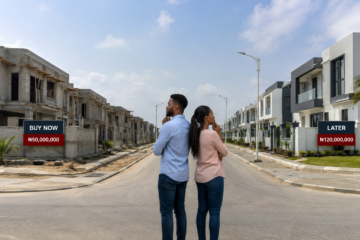
For buyers, that means looking beyond attractive finishes and considering how a property will perform years after the purchase.
The strongest real estate investments are rarely defined by appearance alone. They are defined by thoughtful planning, quality infrastructure, and the ability to meet changing needs over time.
As Nigeria’s property market continues to evolve, green estates are likely to become an increasingly important part of that conversation.